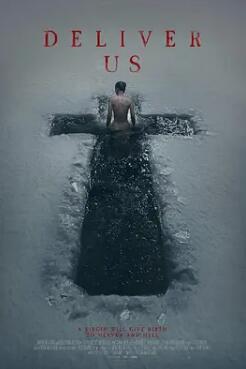
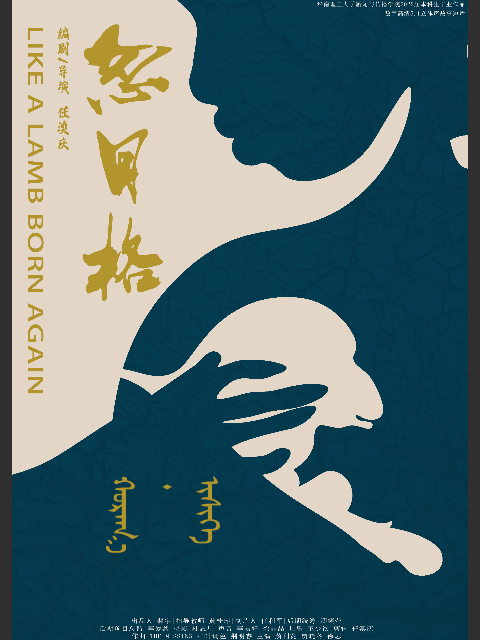
小安與咪咪夜店裡巧遇北上待工的阿凱,決心將他網羅進兩人不可言說的小 圈套裡。台北青紅閃爍無暝無日,一夜過去,相遇的人們得不到自己想要的, 一切卻都不一樣了。李雪、王渝萱交手潘綱大,少女壞壞翻轉性愛。
约旦,1967年。世界巨变:对能源的争夺、新潮流、新音乐、对未来憧憬的蔓延。在约旦,不同的变化在悄然发生:巴勒斯坦成千上万的难民正跨越边境线到约旦寻求避难。11岁的Tarek与母亲在难民队伍中,而他的父亲则在战乱中被迫与家庭分开。他们和1948年就逃难至此的前一代难民一起被安置在难民营的活动帐篷中,等待可以重返家乡的那一天。难民营中的生活窘困,期待能够和爸爸重逢的Tarek想法离开难民营,并看到了希望。他对自由的向往和好奇的天性带领一群有着同样向往的人踏上了一段改变命运的旅程。
一名当代电影人与另一个来自19世纪的法国外交官(Sergei Dontsov 饰)发现自己置身于圣彼得堡的一座古老的宫殿中,周围的人完全看不到他们。两人结伴在宫殿中徘徊,见证了暴怒的彼得大帝用鞭子抽打他的将军;凯瑟琳女皇的私人生活;革命前夕末代沙皇一家最后的晚餐以及1913年最后一场辉煌盛大的宫廷舞会。短短100分钟内,亲身经历了俄国200多年的历史…… 本片荣获2004年阿根廷影展最佳外语片奖、2003年德国相机奖剧情片荣誉奖、2003年西班牙奇幻电影奖最佳男主角(Sergei Dontsov),最佳剧本和最佳导演、2004年尼卡奖最佳美术指导、2003年旧金山影评人协会荣誉奖、2002年多伦多国际电影节视觉奖。
地球征服をたくらむ宇宙海賊・ザノンが次々と送り込む怪獣を、平和星M38から派遣された3人の宇宙人が、ガメラを呼んで撃退する。“ガメラ“シリーズ全7作から、ガメラと怪獣たちの戦闘シーンをピック・アップしたアンソロジー。
深夜在某修车行里,被拖欠了大半年工资的马答向老板萧狐狸讨薪,不料神秘歹徒黑刁闯入修车行,似乎要与他们接头销赃。这让二人不明所以。其实车上还有一名不省人事的壮汉王灞,后备箱里还捆着一位作为人质的美女娜沐薇。深夜的修车行里,这一群各具特色的人物发生了奇妙的命运纠葛……
强尼是一家化妆品公司的推销员,为了更便捷地与客户交流以提升销售量,他买了台新车,但某日下班后强尼发现车子不翼而飞了,在多重压力下,强尼不信命运永不放手,誓要找回爱车。。。。。
Two differences between this Austrian version and the generally available American version are immediately obvious: they differ both in their length and in the language of the intertitles. The American version is only 1,883 metres long - at 18 frames per second a difference of some 7 minutes to the Austrian version with 2,045 metres. Whereas we originally presumed only a negligible difference, resulting from the varying length of the intertitles, a direct comparison has nevertheless shown that the Austrian version differs from the American version both in the montage and in the duration of individual scenes. Yet how could it happen that the later regional distribution of a canonical US silent film was longer than the "original version"? The prevalent American version of Blind Husbands does not correspond to the version shown at the premiere of 1919. This little-known fact was already published by Richard Koszarski in 1983. The film was re-released by Universal Pictures in 1924, in a version that was 1,365 feet (416 metres) shorter. At 18 frames per second, this amounts to a time difference of 20 minutes! "Titles were altered, snippets of action removed and at least one major scene taken out entirely, where von Steuben and Margaret visit a small local chapel." (Koszarski) From the present state of research we can assume that all the known American copies of the film derive from this shortened re-release version, a copy of which Universal donated to the Museum of Modern Art in 1941. According to Koszarski the original negative of the film was destroyed sometime between 1956 and 1961 and has therefore been irretrievably lost. This information casts an interesting light on the Austrian version, which can be dated to the period between the summer of 1921 and the winter of 1922. Furthermore, the copy is some 200 metres longer than the US version of 1924. If one follows the details given by Richard Koszarski and Arthur Lennig, this means that, as far as both its date and its length are concerned, the Austrian version lies almost exactly in the middle between the (lost) version shown at the premiere and the re-released one.A large part of the additional length of the film can be traced to cuts that were made to the 1924 version in almost every shot. Koszarski describes how the beginning and the end of scenes were trimmed, in order to "speed up" the film. However, more exciting was the discovery that the Austrian version contains shots that are missing in the American one - shots/countershots, intertitles - and furthermore shows differences in its montage (i.e. the placing of the individual shots within a sequence). All this indicates that Die Rache der Berge constitutes the oldest and most completely preserved material of the film.