不久的将来,网络黑客尼奥(基奴李维斯 饰)对这个看似正常的现实世界产生了怀疑。他结识了黑客崔妮蒂(凯莉·安·摩丝 饰),并见到了黑客组织的首领墨菲斯(劳伦斯·菲什伯恩 饰)。墨菲斯告诉他,现实世界其实是由一个名叫“母体”的计算机人工智能系统控制,人们就像他们饲养的动物,没有自由和思想,而尼奥就是能够拯救人类的救世主。 可是,救赎之路从来都不会一帆风顺,到底哪里才是真实的世界?如何才能打败那些超人一样的特勤?尼奥是不是人类的希望?这是黑客的帝国,程序和代码欢迎大家的到来。.
韩版将由制作了《光海,成为王的男人》《与神一起》的制作公司制作,目前处于剧本工作阶段,预计明年上半年开拍。
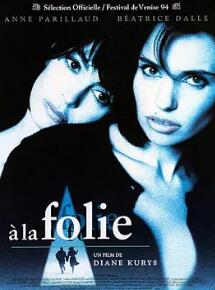
克里斯蒂安与妻子艾琳回到一座阴森森的古堡,同行的还有他父亲的管家保罗及其妻子布丽奇特。20年前,幼年的克里斯蒂安曾在这古堡的“镜房”里亲眼目睹自己的父亲虐杀了一个金发女子。。。
Battling terminal cancer, a woman writes a one of a kind notebook about life, death and love for her son to remember her by. Based on a true story.
《歌舞昇平》裡有幾個如果是肥皂劇劇情肯定會被安排連成一線的家庭,他們口中的悲慘命運是如此曖昧地有異曲同工之妙,令人在觀看時會想那是誰的誰,那人跟那人又有什麼關係。 其實唯一的關聯是五個家庭同樣領取「綜援」,但每個故事卻往不同方向發展。他們貧窮的理由或許不一樣,處境也不一樣,結果,卻都發展成十分相似的生活狀態,殊途同歸的境地,幾乎都是對貧窮的習慣和適應,影片裡穿插著過年的片段,又和典型中國人過年有難以區分的相同與不同。 The film explores the hidden face of poverty in one of the world's most affluent and capitalistic cities. Directed by CHEUNG King Wai (KJ: Music and Life), the film follows five Hong Kong families of different backgrounds that receive government subsidies. How do the poor get by in a glossy city that flaunts conspicuous consumption and hides poverty in cavernous public housing estates? All's Right With The World shares the different stories of these low-income families, their daily living conditions, and their ways of celebrating Chinese New Year. 获奖情况: 2008年 入圍第32屆香港國際電影節競賽單元 2008年 入圍韓國首爾獨立電影電視節 2008年 入圍第20屆飛帕電影節
Based on an unknown Schönberg opera from 1929, From Today Until Tomorrow explores one night in a not-quite loveless marriage. A husband and wife return from a party where she has flirted with another man, while he has cast an appraising eye toward an attractive, fashionably dressed acquaintance of his wife’s. Though each dreams, briefly, of leaving the marriage for the excitement and mystery of a new lover, in the end they decide stability and comfort are more important than the fleeting thrill of new romance. Directors Jean-Marie Straub and Danièle Huillet, who previously collaborated on two other films about music (The Chronicle of Anna Magdalena Bach, 1968, and Moses and Aaron, 1975), rely on long fixed shots in austere black-and-white so that the focus remains on the musical brilliance of Schönberg’s atonal score, performed here by 70 musicians. That Schönberg would choose such a relatively lighthearted message for his newly discovered musical language remains a mystery, especially since the conclusion reached by the husband and wife—to stick with the tried and true—seems directly at odds with Schönberg’s own philosophy of composing. It is just this juxtaposition, however, coupled with Straub and Huillet’s faithful presentation, that makes the opera a compelling addition to the Schönberg canon—and the film such a challenging and intriguing experience.