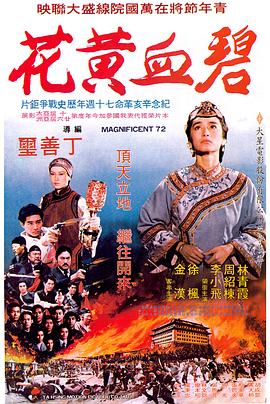
《林冲之风雪山神庙》是一部反映水浒好汉林冲抗争精神的电影,影片充满了铁血与柔情,本影片主要讲述了武艺超卓的八十万禁军教头林冲,从任命到反抗的故事。在遭到高俅党陷害后, 被刺配充军。在风雪山神庙中,林冲手刃仇人陆谦,不再接受被发配的命运,与过去一刀两断,获得了人格的极大升华。
Deserves recognition as an interesting misunderstanding of the hallucination generation, 20 January 2007 Author: TimothyFarrell from Worcester, MA "Wild in the Streets" comes from the same school of film making that spawned other attempts to connect to the counterculture such as "Skidoo" and "Candy". The difference between this and the aforementioned films is that "Wild in the Streets" is reasonably clever and well-made. It isn't sympathetic to the counterculture and will likely offend those with fond memories of the time. Surprisingly, it was a big hit when released and appealed to the youth whom it ridiculed so much. Unlike "The Trip" and "Psych-Out" (two other AIP films), its not an accurate representation of the movement at all. However it does work as social satire. The direction by Barry Shear is good and makes innovative use of split screen photography. Plus, he keeps everything moving at a quick pace. In its funny moments, the film works well. In its attempts at drama, its helplessly dated and just as funny as the humorous moments. Christopher Jones underplays his role and Shelly Winters overacts. Hal Holbrook offers the best performance and Diane Varsi achieves the right note of "grooviness". The script by Robert Thom has its moments, especially the ending (easily the most ingenious part of the film). "Wild in the Streets" isn't perfect, but deserves recognition as an interesting misunderstanding of the hallucination generation. Those into this kind of kitsch will enjoy it the most. I'd rather watch "The Trip" or "Psych-Out" however. (6/10) -from imdb
環境学者である西山玄学は、企業や企業の肩を持つ警察の圧力に屈することなく公害の実態調査をする一方、代々家に伝わる『諸世紀』の研究をしていた。そんな或る日、娘であるまり子の恋人の中川が帰国。まり子と中川の前で、父の西山玄学は「今の時代、先がどうなるかわからない。結婚しても子供は作るな」と残酷な忠告をした。数日後、夢の島で合成防腐剤AF2のため巨大化したナメクジが大発生する。日本各地では奇形児が増加する一方で、亜鉛鉱山周辺では特定の能力が異常に発達した子供が現れる。中川の実家がある漁村が赤潮で全滅した夜、中川とまり子は互いに惹かれ、ついに船の上で結ばれる。 西山は、人類の行き過ぎた開発が人類を滅亡させるとして、必要以上の生産を止めるよう提言するが、人々の興味は生活の向上や生産の増加に向いており、逆に「ヒューマニズムの崩壊」と批判される始末。国際会議も、発展途上国の人口増加が環境破壊に拍車をかけていると主張する先進国と、先進国の資源浪費が環境破壊の原因だと反論する発展途上国が対立して紛糾する。そんな中、太平洋上の海面が凍りつき、エジプトで雪が降るなどの異常気象が発生。さらに、成層圏に滞留した放射能がニューギニアに降り注いだとの知らせが届き、国際合同調査隊が派遣されることになった。西山の研究所からも2人の部下が派遣される。しかし合同調査隊は行方不明になり、西山や中川らによる第2次合同調査隊が派遣された。そこで彼らが目の当たりにしたのは、放射能によって巨大化した動植物や、食人鬼となり襲いかかる原住民、そして洞窟の奥で生きる屍と化した第1次調査隊隊員の姿であった。彼らに拳銃を向ける外国人隊員を制止する玄学だが、「こうするほかに何ができますか?」と反論された玄学も、自ら自分の部下を射殺するしかなかった。 その頃、SST事故によるオゾン層の破壊で日本列島に超紫外線が降り注ぎ、山火事やコンビナートの炎上が続発。さらに、異常気象は世界各地に拡大し、各国の穀倉地帯は軒並み全滅。暴騰する食料価格や大災害で人心は荒廃し、食料目当ての暴動や若者の退廃が進行。ついにそれによる二次災害までが発生し、東京の空はオゾン層の歪みで巨大な鏡と化した。大災害が頻発する中、西山の妻である伸枝は病に倒れ、玄学の腕に抱かれながら息を引き取る。その一方で、まり子の体には新しい命が宿っていた。 度重なる天変地異に、西山は国会で様々な人類滅亡のパターンを警告し地球の危機を力説、破滅への展望を展開していく。その凄惨な内容に衝撃を受けた内閣総理大臣は、政治家として大きな決断を迫られた。その決断とは…。
In this Tony Award-winning musical by Stephen Sondheim, several fairy tale characters learn the hard way that the 'Happily Ever After' they sought isn't necessarily so happy after all.