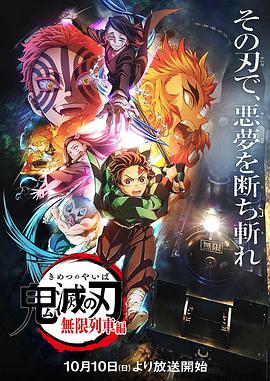
江戸時代、将軍・徳川吉宗の命により設置された目安箱に寄せられた庶民の声を受けて、「新中町奉行所」通称「蟲奉行所」が新設される。その役目は江戸に跋扈する巨大蟲を駆除すること。新米同心の月島仁兵衛は巨大蟲から江戸を守るため、先輩の同心達と共に戦うこととなる。
某一天,地球上出现了不明来由的RR病毒,将世界卷入灾难之中。受到感染的动物变异成为可怕的怪兽,大举入侵,人类面临毁灭之际筑起了围墙,成立基地市作为人类最后的堡垒。人类在这一段时间经历的磨难,被称为“大涅槃时期”。在极端的生存环境下,人类的体能也在逐渐地进步发展,尚武之风兴起,人类的身体素质相比以前有了质的飞越。而这其中的佼佼者,被称为“武者”。 18岁的罗峰也梦想着成为其中的一员。此时的他即将高考,正面临着人生十字路口的抉择,却不料怪兽的一次袭击影响了他的人生轨迹。在强大怪兽的威胁之下,市内居民面临危险,军方却束手无策。唯有一名武者挺身而出,保卫了基地市的安全。罗峰被武者的强大所感染,暗自立下成为武者以保护所爱之人的决心。这是一切的开始,罗峰武者之路的起点,也拉开了他传奇人生的序幕。 罗峰立志成为武者,前路却并不平坦,他首先要面对的便是外部环境无形中对他施加的影响。罗峰家庭条件不佳,生活拮据,父母无法给予他更多帮助,只能依靠自己的努力。最终,在不断的艰苦磨砺下,罗峰不断发掘自身潜能,得到了能力提升和自我价值的认可。不仅如此,罗峰不仅扛起了供养家庭的重担,还为了守护人类家园、为了人类更好的生存与发展,与其他正义的武者们一起,联手对付凶恶怪兽。在末日绝境之下,罗峰与其他武者们能否击退怪兽、成功守护人类世界?
在500年前,蚩尤欲引入化外毁灭三界,天地存亡旦夕不保,有十五位英雄联以生命为代价,终将蚩尤封印于战神山武神坛,500年后蚩尤破封在即,人间群魔骚动,三界有志之士携手挽救苍生,故事就此开始... ....前世结的缘,今生何以再续?
This popular animated television cartoon featured two Stone Age families, the Flintstones and their neighbors, the Rubbles. Much of the humor was based on its comic portrayals of modern conveniences, reinterpreted using Stone Age 'technology.' Most notably were their cars, complete with absence of floorboards to allow them to be 'foot-powered.'
In this season, the show went back to airing one new episode a week, but stayed in the hour-length format, filling up the second half-hour with episodes from previous seasons and some of the prime-time specials from the 1980s. This entire season, along with the second half of season 6, is available on Garfield and Friends: Volume 5 DVD set. Also worth noting is that here, a new theme song was added that was written by J.R. Johnston and Neil Panton. The theme was sung by J.R. Johnston. This theme song was not shown internationally, and as a result, it does not appear on the DVDs (although Garfield's quotations are kept intact). This new introduction sequence used most clips from Seasons 5-7 and a few from the first two seasons, as well as Garfield in Paradise and Garfield's Feline Fantasies. The episodes stopped using a few seconds of the theme playing in the episode title cards after season seven's fourth episode; music from the episodes were used in the title cards until the show ended, even though season six used music from some of their episodes.