海军陆战队士兵亚历山大•叶若夫在被海盗劫持的油轮上。他知道,他的战友们不会丢下他不管。当开始进攻时,他需要活下来,并帮助自己人。 电影是根据2010年5月20日的真实事件拍摄,当时大型反潜舰“沙波什尼科夫元帅”号的海军陆战队士兵解救了在亚丁湾水域被劫持的俄罗斯油轮“莫斯科大学”号。当时他们只有22分钟,绝对不能犯错.......
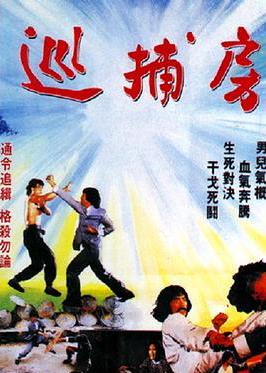
五百年前,蝙蝠精为练元魔法,迫其妹小珠代引各行业壮男,供其吸血。 道人施法,阻止小珠对两名衙差下毒手,与蝠后大打出手,两败俱伤。为助衙差对付蝠后,道士送二人古琴、古剑及千年雪珠,不料二人误吞雪珠,需五百年后,始能复活。 五百年后,二人出土,运到香港展出,为神偷亚美偷去。二人复港展出,求亚美助其寻找蝠后。 道士后人密宗大师镭张棍亦算到二人复活期至,往寻,适蝠后对付二人,遂合力诛除蝠后。
原作于2013年至2016年在月刊《少年champion》上连载,是一部描写高中棒球孩子们又笑又难过的真实日常生活的棒球部青春喜剧。电影的主人公是黑田铁平,他告别了中学时代的棒球部生活,以高中出道为目标,将头发染成了茶色。梦想着玫瑰色的高中生活,被温柔的前辈们劝诱,稀里糊涂地加入了棒球部。但是,临时入社的期限刚一结束,前辈们的态度就骤变了。
A drama centered around the Natalya Petrovna, a headstrong young woman married to land baron Arkadi Islaev and her feelings for her daughter's tutor, which becomes a complex web of unrequited love.
一名被定罪的杀手获得假释,并收到来自之前将他送入监狱的同一检察官的丰厚报价。
广告片导演小汤(任达华 饰)带领摄制组在一座废弃的老宅子内拍摄,房屋有一贴着封条的古旧箱子。因嫌其碍事,小汤不顾摄制组成员的警告,执意将箱子挪往他处。但意外随即而至,箱子封条自动脱落,导演助理小谢被箱子撞倒,从高处坠落不治身亡。而这起惨剧,小汤竟在冥冥中的幻觉里早已得知。 广告拍摄完毕,但死亡的阴影并未就此散去。曾参与拍摄的工作人员接二连三死去,死状恐怖,小汤更是为这一连串的恐怖事件和挥之不去的梦魇所困扰。为了摆脱厄运纠缠,他决定重返老宅,寻找箱子中所隐藏的秘密……
故事讲述一个年轻的音乐家杰瑞姆,他去往郊区准备闭门创作其第一张唱片。一家高科技公司的研究人员说服他试用“伊夫”,一款旨在让他生活更轻松的智能冰箱。渐渐地,“冰箱机器人”赢得了杰瑞姆的信任,并最终对他的职业生涯乃至整个生活产生了深远的影响。
Two differences between this Austrian version and the generally available American version are immediately obvious: they differ both in their length and in the language of the intertitles. The American version is only 1,883 metres long - at 18 frames per second a difference of some 7 minutes to the Austrian version with 2,045 metres. Whereas we originally presumed only a negligible difference, resulting from the varying length of the intertitles, a direct comparison has nevertheless shown that the Austrian version differs from the American version both in the montage and in the duration of individual scenes. Yet how could it happen that the later regional distribution of a canonical US silent film was longer than the "original version"? The prevalent American version of Blind Husbands does not correspond to the version shown at the premiere of 1919. This little-known fact was already published by Richard Koszarski in 1983. The film was re-released by Universal Pictures in 1924, in a version that was 1,365 feet (416 metres) shorter. At 18 frames per second, this amounts to a time difference of 20 minutes! "Titles were altered, snippets of action removed and at least one major scene taken out entirely, where von Steuben and Margaret visit a small local chapel." (Koszarski) From the present state of research we can assume that all the known American copies of the film derive from this shortened re-release version, a copy of which Universal donated to the Museum of Modern Art in 1941. According to Koszarski the original negative of the film was destroyed sometime between 1956 and 1961 and has therefore been irretrievably lost. This information casts an interesting light on the Austrian version, which can be dated to the period between the summer of 1921 and the winter of 1922. Furthermore, the copy is some 200 metres longer than the US version of 1924. If one follows the details given by Richard Koszarski and Arthur Lennig, this means that, as far as both its date and its length are concerned, the Austrian version lies almost exactly in the middle between the (lost) version shown at the premiere and the re-released one.A large part of the additional length of the film can be traced to cuts that were made to the 1924 version in almost every shot. Koszarski describes how the beginning and the end of scenes were trimmed, in order to "speed up" the film. However, more exciting was the discovery that the Austrian version contains shots that are missing in the American one - shots/countershots, intertitles - and furthermore shows differences in its montage (i.e. the placing of the individual shots within a sequence). All this indicates that Die Rache der Berge constitutes the oldest and most completely preserved material of the film.