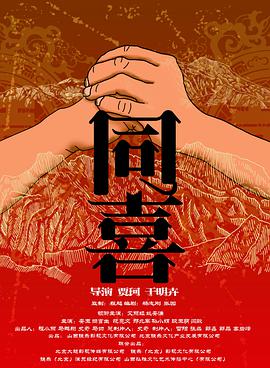
1995年,缉毒警林强峰(段奕宏 饰)为了追查毒品的线索调到了西港缉毒支队工作。走私商刘少华(秦昊 饰)因偶然的机会接触到了冰毒,毒品带来的巨大利润让他产生邪念,成为了一名制毒师。在林强峰等缉毒警的全力追查下,西港市的涉案的毒贩们一一落网,只剩刘少华在别处鼠窜,企图躲避警方追捕。 1996年,林强峰再次查没了企图东山再起的刘少华的毒品,走投无路的刘少华只能蛰伏了起来,之后刘少华企图再次制毒,被林强峰发现踪迹。1999年,刘少华终于落网。
达乌德是一位无拘无束,不被世俗所理解的年轻人。他一心想要寻找自己“真正”的家庭,坚信只有他们才能带给他爱和希望。在不幸卷入一场纷争后,达乌德踏上了一趟始料未及的逃亡之旅。一路上,他遇到了形形色色的人,目睹一场接一场的“意外”,成为了死神的代言人。在潜意识与当下的碰撞之中,这趟奇幻旅程愈发扑朔迷离。师从贝拉·塔尔,曾凭借《柿子生长时》入围2019年金椰奖纪录片竞赛的阿塞拜疆新锐导演希拉尔·贝达罗夫,其剧情片新作《死于之间》首度入围威尼斯电影节主竞赛单元。
京畿道税务科的公务员姜美娜(崔江熙 饰)工作努力,为人耿直,但却因一次冲动遭到停职两月的处罚,同时未婚夫也暴露了不靠谱的秉性,令她愤而分手。家乡的父亲因病入院,将经营了一辈子的文具店交给她转让出去,处于停职期间的美娜也恰好有时间看店兼处理存货。这家位于桂林小学门口的美娜文具店曾经让童年时的美娜受尽委屈,她只想把店尽快转手。另一方面,美娜昔日的同学——同样毕业于桂林小学的崔强浩(奉太奎 饰)此时回到母校担任老师,昔日不受重视的经历让崔强浩用心呵护自己的每一个学生,美娜此时则置身喧闹的孩子海努力清货。渐渐的,在店中的切身体会令美娜领悟了父亲的心思……
曾出现在《教场1&2》SP 和《教场 0》的部分学生、新人刑警演员回归,为这个系列画上句点,并揭示风间右眼被刺伤的真相。
这部影片讲述了“她”和“我”在一次偶然之下相遇的故事。她(黑岛结菜饰)在纽约留学期间,遇到了正在出差的现任丈夫(若叶龙也饰),并爱上了他。 两人交往3年后在研究生期间结了婚,享受了一段蜜月时光。然而,她的丈夫被派往国外工作,而她收到理想公司的Offer,决定留在日本。此时,他们两人的生活轨道逐渐偏离。 与此同时,她的一个朋友(小野花梨饰)拜托她替自己参加一个酒会。 无奈之下她只好答应。而在那个无聊的酒会上,她遇到了 我……
由山东广播电视台出品的人物纪录片《刘良:中国首例新冠肺炎遗体解剖者》讲述了2020年初,在抗击新冠肺炎疫情中一位平凡而又耀眼的英雄——刘良的故事。刘良团队的解剖成果让这场“战疫”有了明确的作战方向。该纪录片题材重大,肩负着“向世界讲好中国抗疫故事”的使命,主角人物刘良自带光环,有家国情怀,使故事看点突出,引人入胜。其中,新冠肺炎遗体标本低温存放,以及纤支镜实验等影像都是首次对外披露。
Two differences between this Austrian version and the generally available American version are immediately obvious: they differ both in their length and in the language of the intertitles. The American version is only 1,883 metres long - at 18 frames per second a difference of some 7 minutes to the Austrian version with 2,045 metres. Whereas we originally presumed only a negligible difference, resulting from the varying length of the intertitles, a direct comparison has nevertheless shown that the Austrian version differs from the American version both in the montage and in the duration of individual scenes. Yet how could it happen that the later regional distribution of a canonical US silent film was longer than the "original version"? The prevalent American version of Blind Husbands does not correspond to the version shown at the premiere of 1919. This little-known fact was already published by Richard Koszarski in 1983. The film was re-released by Universal Pictures in 1924, in a version that was 1,365 feet (416 metres) shorter. At 18 frames per second, this amounts to a time difference of 20 minutes! "Titles were altered, snippets of action removed and at least one major scene taken out entirely, where von Steuben and Margaret visit a small local chapel." (Koszarski) From the present state of research we can assume that all the known American copies of the film derive from this shortened re-release version, a copy of which Universal donated to the Museum of Modern Art in 1941. According to Koszarski the original negative of the film was destroyed sometime between 1956 and 1961 and has therefore been irretrievably lost. This information casts an interesting light on the Austrian version, which can be dated to the period between the summer of 1921 and the winter of 1922. Furthermore, the copy is some 200 metres longer than the US version of 1924. If one follows the details given by Richard Koszarski and Arthur Lennig, this means that, as far as both its date and its length are concerned, the Austrian version lies almost exactly in the middle between the (lost) version shown at the premiere and the re-released one.A large part of the additional length of the film can be traced to cuts that were made to the 1924 version in almost every shot. Koszarski describes how the beginning and the end of scenes were trimmed, in order to "speed up" the film. However, more exciting was the discovery that the Austrian version contains shots that are missing in the American one - shots/countershots, intertitles - and furthermore shows differences in its montage (i.e. the placing of the individual shots within a sequence). All this indicates that Die Rache der Berge constitutes the oldest and most completely preserved material of the film.